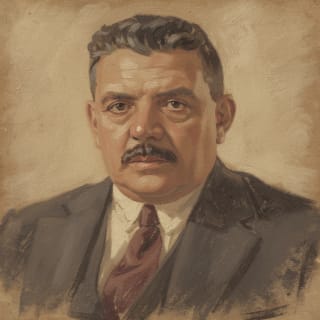
Édouard Herriot quotes
1872 – 1957 · France, late 19th–20th century · Politician, statesman, writer
About Édouard Herriot
Born in Troyes, Herriot was a central figure of French Radicalism, serving decades as Lyon’s mayor and multiple terms as head of government. A prolific speaker and essayist, he favored moral reflection and aphoristic prose, often compiling sayings and citing other authors in collections that blend republican ideals with educational concerns.
Works: Notes et maximes (collection, posthumous, 1961); numerous speeches and political writings
Quotes
“Culture is what remains when everything else has been forgotten.”
Source: Notes and Maxims (posthumous, 1961) · Check the source
Disputed attributionWhat we know
- What is documented
- The saying appears in Herriot’s Notes and Maxims as quoted from a “Japanese pedagogue,” and researchers trace a similar formulation to Ellen Key (1891).
- What remains uncertain
- The attribution to Herriot is disputed: evidence indicates he repeated or adapted an earlier remark rather than originating it.
The line captures culture as an enduring internal shape — habits of thought, judgment and method that outlast specific facts. It became a staple in debates about schooling and the humanities, and is commonly linked to Édouard Herriot even though the wording predates him.